How to Choose an Earthquake-Safe Apartment in Turkey: What to Check Before You Buy
Year of construction, building codes, soil, inspection, the riskli yapı assessment and DASK insurance: how to judge a building's safety in Turkey before buying or renting.
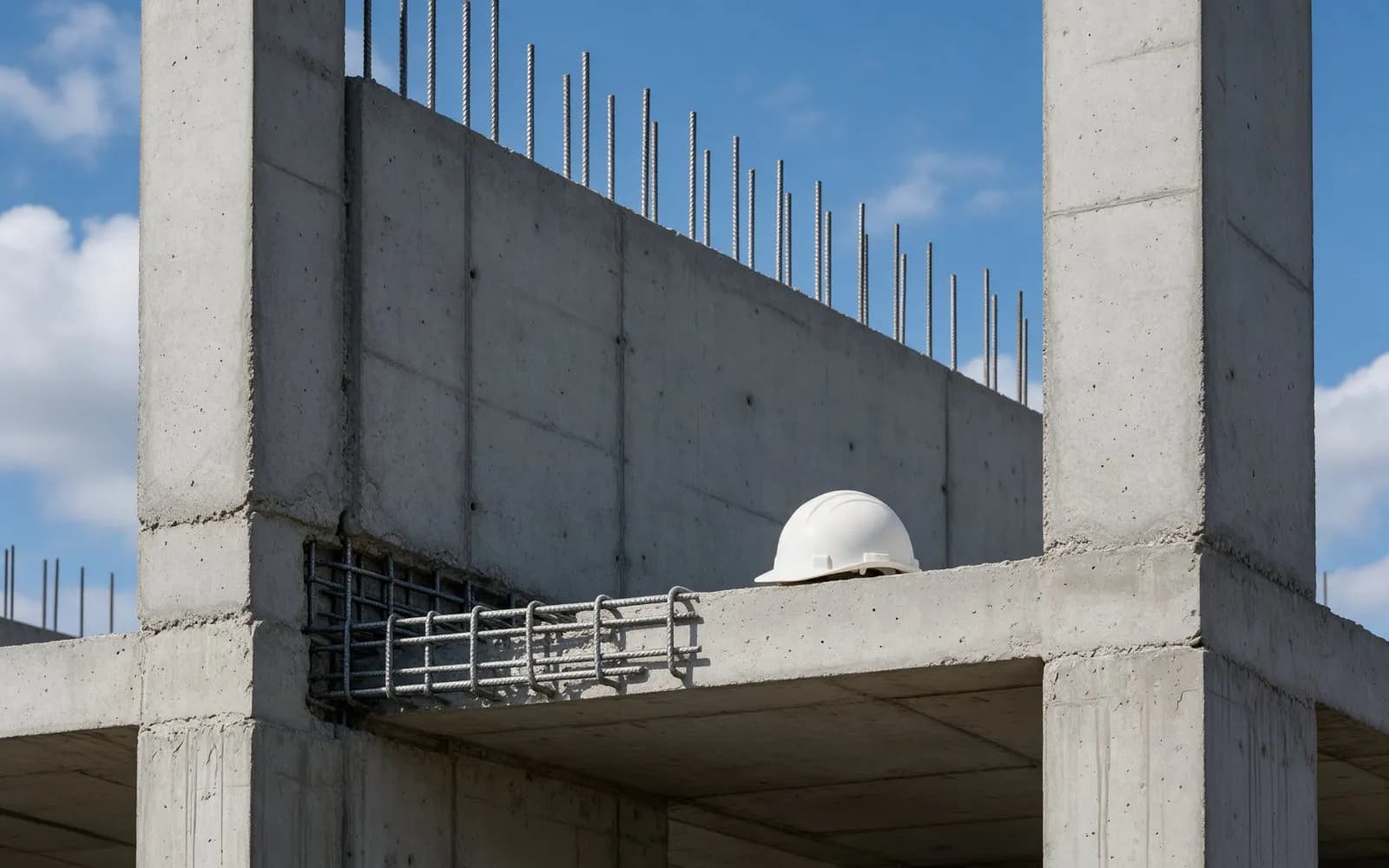
Turkey sits on several active faults, and earthquakes here are not a theoretical risk. After February 2023, when more than 50,000 people died in eleven provinces in the south-east of the country, buyers started asking a different first question. They used to ask about the sea view and the pool. Now it is "what year was the building built, and will it stand?"
The good news is that earthquake resistance can be checked. Not with 100% certainty, but well enough to rule out the dangerous options. Here is what to look at and which documents to ask for.
Why some buildings collapse and others stand
In 2023, buildings with almost no damage stood next to ones that had completely collapsed. The difference was usually not luck but three things:
which code the building was designed to;
how it was actually built: the concrete, the amount of reinforcement, whether there was supervision;
what was done to it later: for example, columns removed on the ground floor to make room for a shop, or an extra floor added without a permit.
So the year of construction alone guarantees nothing. But it is a good starting point.
Year of construction and building codes
Turkish seismic codes have changed after every major earthquake. A few dates matter for buyers:
1998: a new code after the Erzincan earthquake. But supervision on building sites was still weak.
1999–2001: after the devastating İzmit earthquake of August 1999, Turkey passed the building inspection law (yapı denetimi, Law No. 4708). At first it applied in 19 provinces, and from 2011 nationwide.
2007: an updated seismic code.
2018: the current code (TBDY 2018), in force since 1 January 2019, together with a new seismic hazard map.
Hence a simple rule of thumb: a building put up after 2000 with independent inspection is on average more reliable than an older one, and a building with a permit issued after 2019 is designed to the strictest standards. But "on average" is the key phrase: every building needs to be checked on its own.
The year of construction is a filter, not a guarantee. A new building put up in breach of the rules can be more dangerous than a carefully built one from 2005.
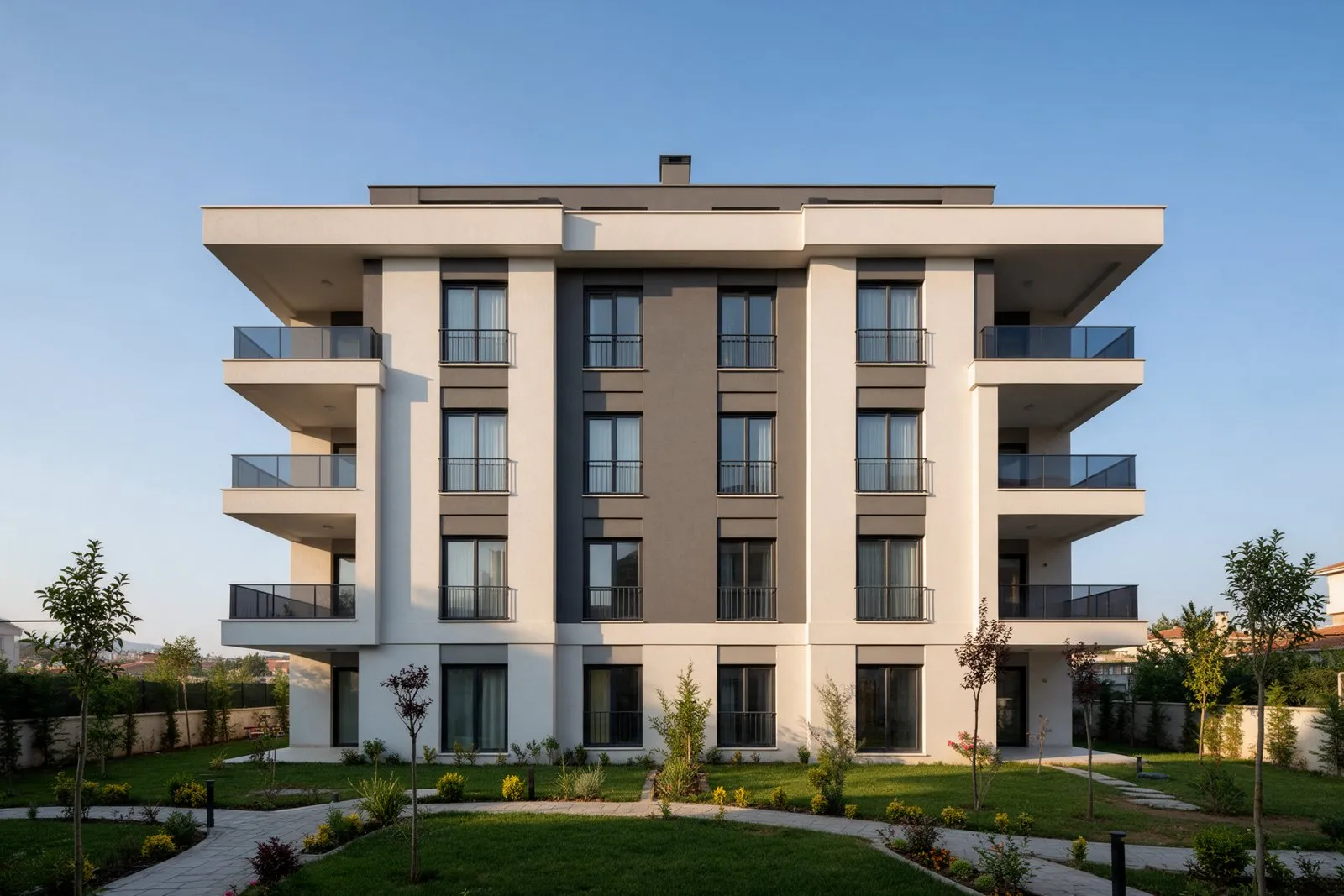
Location: soil and seismic hazard
The hazard varies across Turkey. It is highest around the Sea of Marmara, including Istanbul, along the Aegean coast and along the East Anatolian Fault. The Mediterranean coast around Antalya is considered calmer, but earthquakes happen there too.
You can check a specific address on AFAD's interactive seismic hazard map (Türkiye Deprem Tehlike Haritası), which shows the expected ground acceleration for any point in the country.
The ground under the building matters just as much. Soft, filled and waterlogged soils, near rivers, on former marshland or on new reclaimed land by the sea, amplify shaking and can liquefy in a strong quake. You can ask the developer for the soil survey report (zemin etüdü), which is required for a building permit.
What you can check with your own eyes
You are not an engineer, but some things are visible without instruments:
The ground floor. If it holds shops or cafés with huge windows and hardly any walls, that is a "soft storey" (yumuşak kat), one of the main causes of collapse. It is especially bad if ground-floor columns were removed or cut during a renovation.
Cracks. Hairline cracks in plaster are nothing to worry about. Diagonal cracks in columns and beams, spalling concrete and rusty rebar are serious warning signs.
Additions. An extra floor or penthouse that is not in the plans adds weight the building was not designed for.
Shape. Simple, symmetrical buildings behave more predictably in an earthquake than complex shapes with large overhangs.
The basement. Constant damp and flooding damage concrete and reinforcement.
Neighboring buildings. If buildings stand wall to wall with floors at different heights, they can pound against each other in a quake.
Documents to ask for
Building permit (yapı ruhsatı): it shows which code the building was designed to.
Occupancy permit (iskân): confirms the building was approved and matches the plans. If there isn't one, find out why.
Details of the building inspection company (yapı denetim) that supervised construction.
The tapu. If a building has officially been declared risky, the title will carry an annotation. But the absence of one does not mean the building was ever checked.
A seismic assessment report, if the seller or the management company has one.
The riskli yapı assessment and concrete testing
Turkey has an official procedure for assessing whether a building is at risk: riskli yapı tespiti. It is carried out by licensed organizations at the request of an owner, and the owner of even a single apartment in the building can apply. In 2026 it typically costs several tens of thousands of lira, depending on the size of the building and the city.
A buyer cannot order this assessment, since they are not yet the owner. But you can ask the seller to have it done before the sale or offer to share the cost. For older buildings this is a very reasonable request.
People often suggest just a core test (karot testi), taking concrete samples to check their strength. That is useful but does not give the full picture: the amount of reinforcement, the structure and the soil matter too. For a serious decision, bring in an independent structural engineer.
DASK insurance
Compulsory earthquake insurance (DASK) is required for every residential unit in Turkey. Without a valid policy the land registry will not process a sale, and in practice you may also have trouble connecting utilities. The policy covers the building itself up to a set limit, but not furniture or appliances. For your belongings you need separate home insurance (konut sigortası).
The cost of DASK depends on the floor area, type of construction and seismic zone, and is usually modest. We cover regular owner payments in detail in our article on the costs of owning an apartment in Turkey.
If the building is due for renewal
Many cities are running an urban renewal program (kentsel dönüşüm): old and unsafe buildings are demolished and new ones built in their place. An apartment in such a building can be cheaper, and the owner will eventually get a new home. But the wait takes several years, you have to live somewhere else in the meantime, and the terms depend on the agreement between the owners and the developer. It is an option for those buying for the long term who know what they are getting into.
What to do after you move in
Fix wardrobes and heavy furniture to the walls.
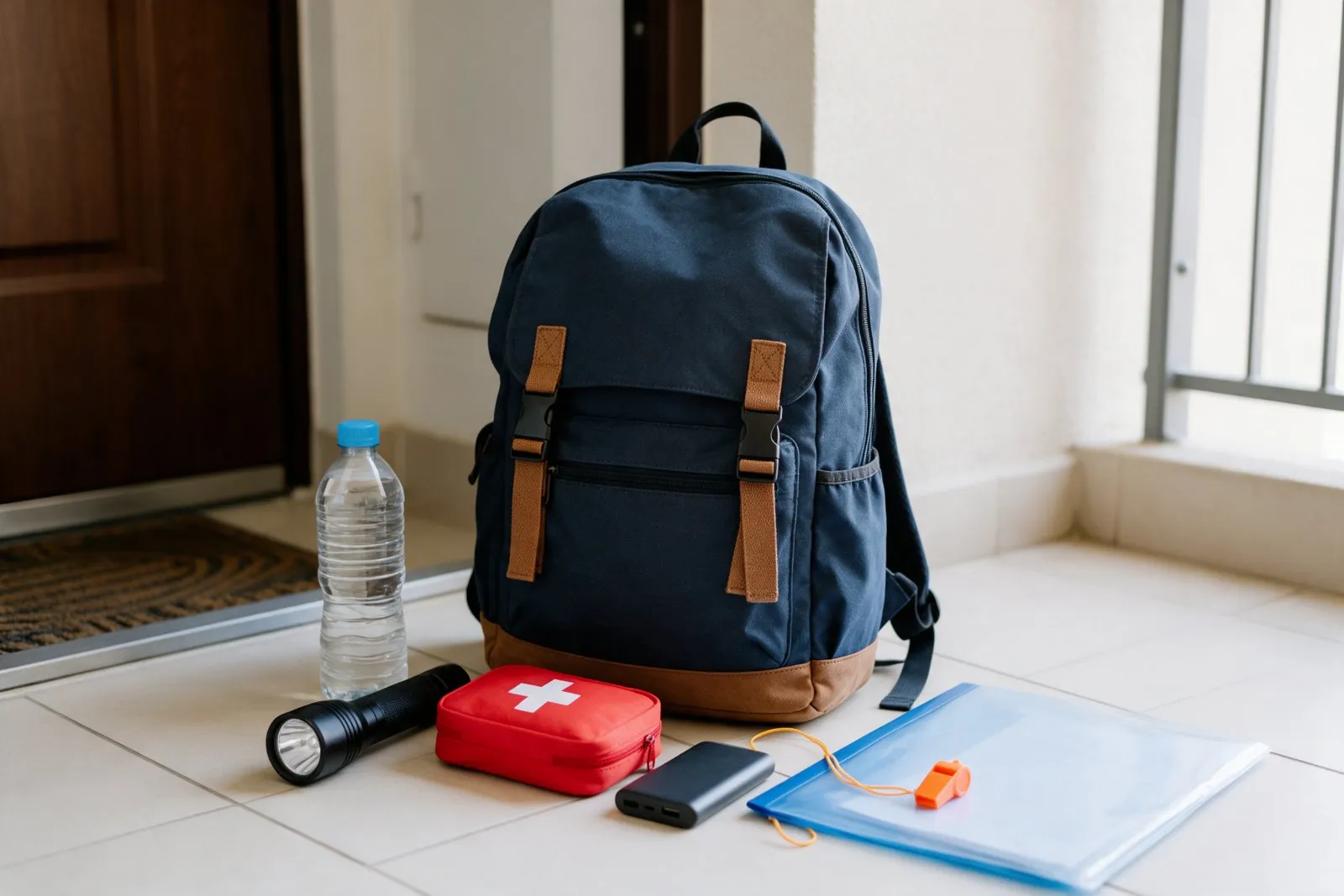
Pack an emergency bag: water, a flashlight, a first aid kit, a power bank, copies of documents and some cash.
Find your nearest assembly area (toplanma alanı) on e-Devlet or in the AFAD app.
Remember the single emergency number: 112.
FAQ
Are Antalya and Alanya earthquake-prone?
The hazard there is lower than in Istanbul, İzmir or the east of the country, but it is not zero. The rules for checking a building are the same.
The building was built after 2019. Do I still need to check it?
It meets the most modern code, but build quality still matters. Look at the developer's track record, the iskân and the inspection company.
Who pays for the riskli yapı assessment?
The owner orders and pays for it. A buyer can agree with the seller to have it done before the sale.
Is DASK compulsory for foreigners?
Yes. The requirement applies to the property, not the owner's nationality.
If you are still choosing between a new building and resale, read our comparison "New build or resale in Turkey". The whole buying process is described in our guide to buying property as a foreigner.
Find a home on Homeviona
The Buy section lists apartments and houses in Turkey. Check the year of construction and the description, and ask sellers about inspection and iskân directly in the chat.
Selling an apartment? Post a listing on Homeviona and state the year of construction, whether there is an iskân, the inspection company and a valid DASK policy up front. If you have a seismic assessment report, be sure to mention it: it is a strong argument for buyers.
In short
The year of construction is the first filter: after 2000 with inspection is better, after 2019 means the strictest code.
Look at the soil, the ground floor, cracks in columns and unauthorized additions.
Ask for the yapı ruhsatı, the iskân and the inspection details.
For an older building, ask the seller to order a riskli yapı assessment.
DASK is compulsory, but it does not cover your belongings.