Real Estate Scams in Turkey: Common Schemes and How Not to Lose Your Money
Fake listings asking for a deposit, sellers who are not the owner, double sales and "guaranteed citizenship": how to spot fraud when renting or buying a home in Turkey.

Most property deals in Turkey are honest. But foreigners are an easy target: they know little about local rules, often search remotely and are in a hurry. That is exactly why scammers focus on them.
Below are the schemes you are most likely to come across, the signs that give them away and a few simple rules that protect you from most of them.
Scheme 1. A fake listing and a deposit before viewing
The most common story when renting. The listing shows a beautiful apartment by the sea at a price well below the market. The "owner" is abroad or very busy and cannot show it, but will hold it for you if you transfer a deposit (kapora). After the transfer, they disappear.
A more sophisticated version: the listing is posted through a hacked account of a real agency. The Turkish press reported such cases in 2026. The logo, reviews and account history are real, but the person you are talking to is not.
The rule: pay nothing until you have seen the apartment, in person or on a live video call, and checked that the person has the right to rent it out.
Scheme 2. The seller is not the owner
When buying, a fraudster pretends to be the owner or uses a forged power of attorney (vekaletname). The actual registration at the land registry (tapu müdürlüğü) involves an identity check, so the money is usually taken earlier: as a deposit, a "reservation" or a payment "under a preliminary agreement".
How to protect yourself:
compare the details on the tapu with the seller's ID;
if a representative is selling, ask for the power of attorney and verify it with the notary who issued it;
pay only into an account in the owner's name, and only after checking the documents.

Scheme 3. A double sale in a new development
A developer sells the same apartment to two buyers, and one of them only has a piece of paper with the company stamp. When the building is finished, it turns out the apartment is registered to someone else.
The protection is a notarized contract and an annotation on the tapu. Without a notary, a property sale contract in Turkey is legally weak. We explain how the law protects off-plan buyers in our article "New build or resale in Turkey".
Scheme 4. Hidden debts and encumbrances
The apartment may be mortgaged, seized for the owner's debts or carry other entries in the register. The buyer finds out too late.
Before the deal, request a statement of encumbrances (takyidat). You can get it at the land registry, and the owner can also see it on e-Devlet. Separately, ask the building manager about unpaid aidat.
Scheme 5. "Let's put a lower price on the tapu"
The seller or agent suggests declaring a price below the real one to save on the title deed fee. It sounds like a saving, but for the buyer it is a risk:
the difference can lead to additional tax and a fine;
when you resell, capital gains tax will be calculated from the understated price;
for a residence permit or citizenship the confirmed value matters, and an understated figure can get in the way;
if the deal falls apart, a court can only return what is stated in the documents.
On top of that, a valuation report is required when a foreigner buys, and the price on the tapu should not be below the appraised value.
Scheme 6. "Citizenship guaranteed"
An apartment is sold above market price, with the markup explained by the promise that "it will definitely get you citizenship". The property itself may be worth considerably less than the stated amount. Citizenship through property depends on official conditions and valuation, not on the seller's promises.
Before buying, compare prices of similar apartments in the area and order an independent valuation. Details in our article on residence permits and citizenship through property.
Scheme 7. A fake agent
An unlicensed middleman takes a commission and simply stops answering when something goes wrong. In Turkey a real estate agent must hold a property trading authorization certificate (Taşınmaz Ticareti Yetki Belgesi). Ask for the certificate number and check it.
What changed with EİDS
Since 2025 Turkey has an electronic listing verification system, EİDS. Listings on Turkish portals are verified through e-Devlet: owners confirm their listing themselves, and an agent can only list a property with an authorization certificate and a contract with the owner. The system was introduced first for rentals and from 2026 for sales as well.
This has noticeably reduced the number of fake listings, but not eliminated them. Scammers move to social networks, messengers and foreign websites, or use hacked accounts. So you should check documents in every case.
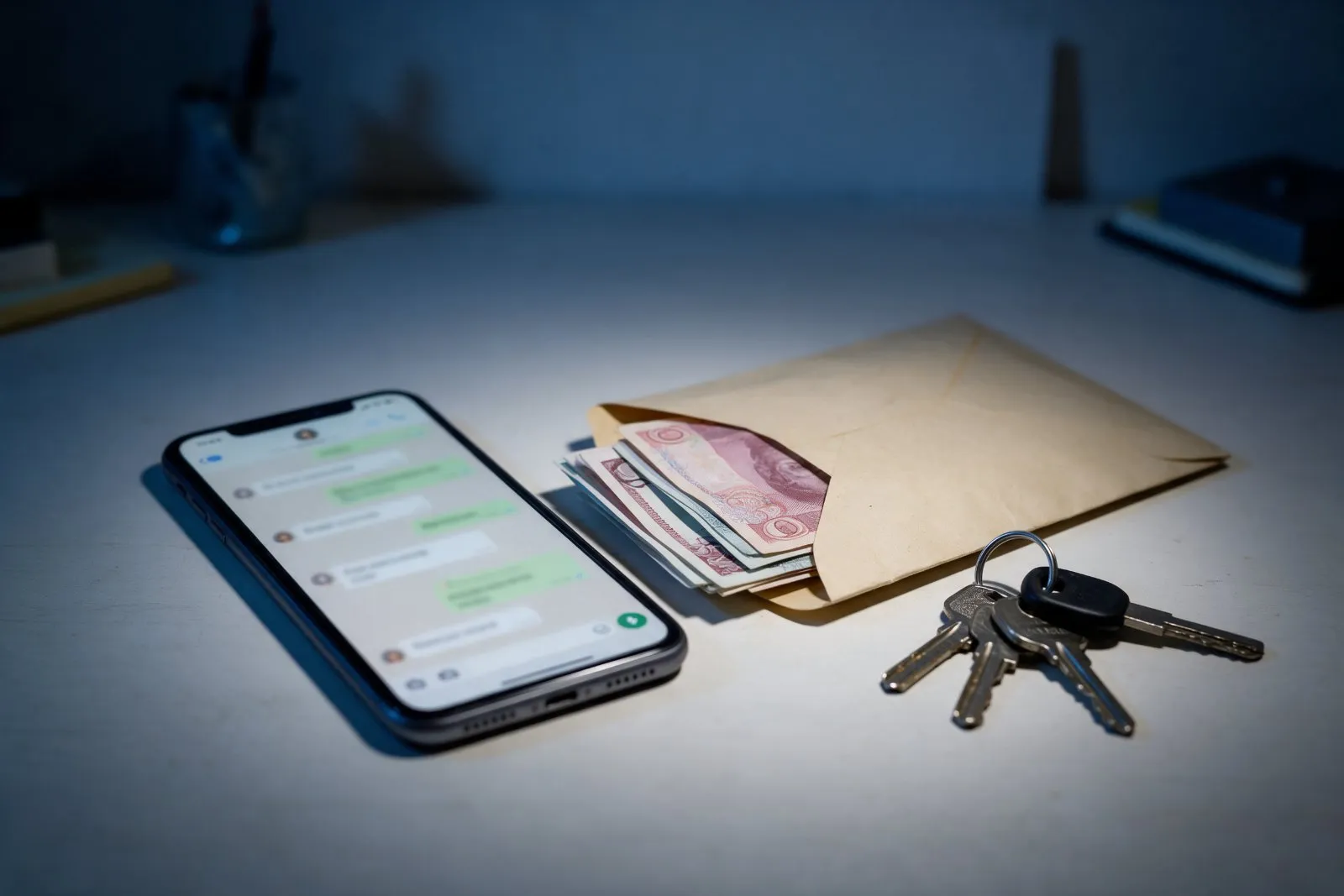
Red flags
The price is well below market for no clear reason.
The owner is "abroad" and there is no one to show the apartment.
You are asked for a deposit before viewing, or urgently, "before someone else takes it".
You are asked to pay into a third party's account, in cryptocurrency or via a money transfer service.
They refuse to show the tapu or an ID.
They rush you to sign and talk you out of using a notary or a lawyer.
They send a link to a "secure payment" page on an unfamiliar website.
If you have been scammed
Call your bank immediately: sometimes a transfer can be stopped if you act quickly.
Keep the messages, screenshots of the listing, phone numbers and payment details.
File a complaint with the police or the public prosecutor (savcılık). In Turkey, fraud committed using the internet is treated as an aggravated offence.
Report the listing to the website or portal where you found it so it is taken down.
FAQ
Is it OK to pay a deposit for a rental?
Yes, but only after viewing, checking the documents and signing the lease, and ideally by bank transfer to the owner's account.
How do I check that the seller is the owner?
Ask for the tapu and an ID and compare the details. When buying, order a statement of encumbrances from the land registry.
Does a lawyer protect me from fraud?
An independent lawyer you hired yourself, largely yes. A lawyer "provided" by the seller, not necessarily.
Are listings on social media dangerous?
Not necessarily, but they are not verified through EİDS, so check the documents especially carefully.
We describe the whole process of buying safely in our guide "How a foreigner can buy property in Turkey", and renting in our article on long-term rentals in Antalya and Alanya.
Homeviona: direct contact with the seller
On Homeviona you message the seller or landlord directly through the chat on the site. Search in the Buy and Long-term rent sections and apply the rules from this article to any listing, wherever you find it.
Are you an owner or an agent? Post a listing on Homeviona and make it clear from the start that you are the owner or work under a contract with the owner. Add real photos and be ready to show documents: honest listings stand out, and buyers trust them.
In short
Do not pay before viewing and checking the documents.
Compare the details on the tapu with the seller's ID.
Pay only into the owner's account and only by bank transfer.
Off-plan contracts only at a notary and with an annotation on the tapu.
Do not agree to understate the price on the tapu.